
Headshots
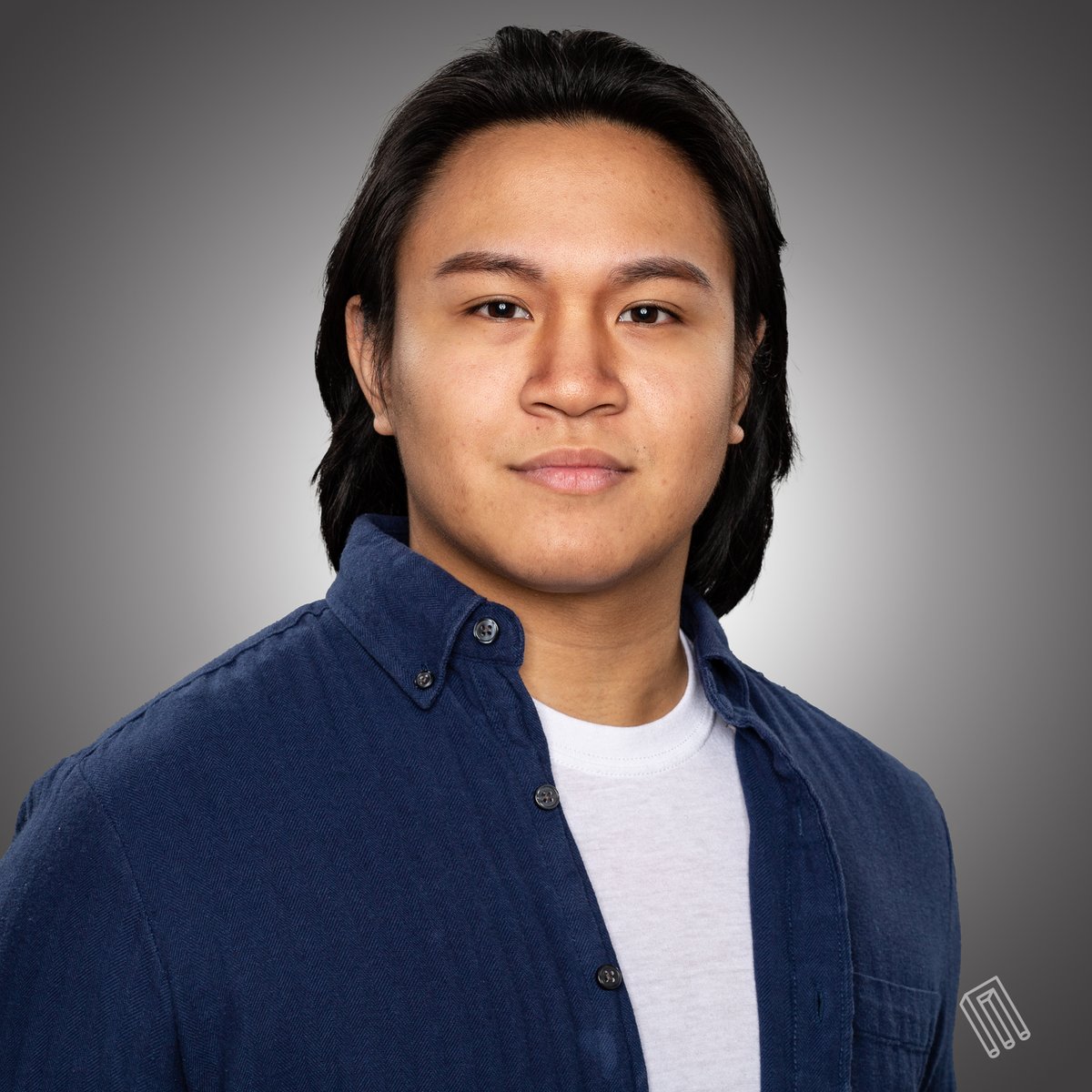
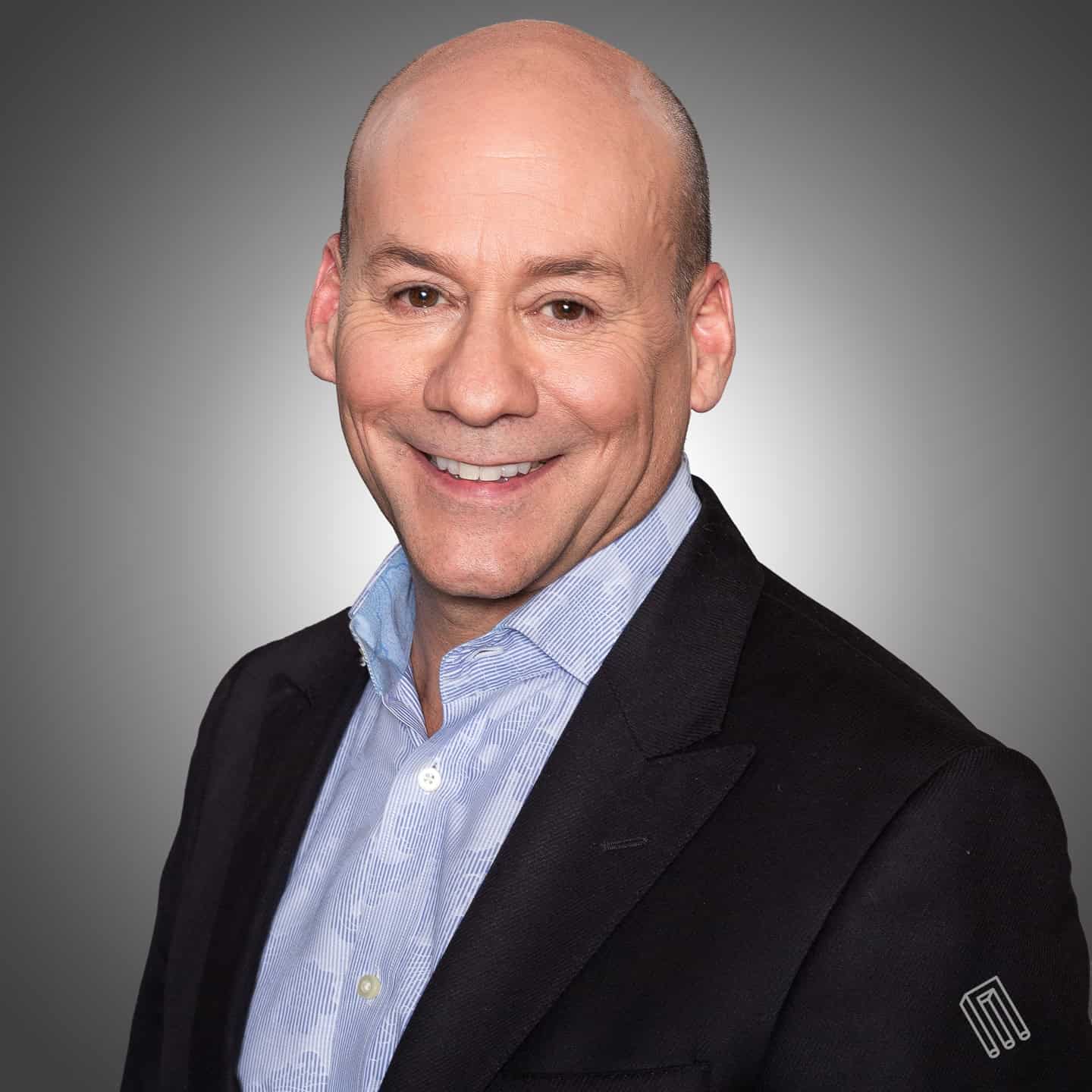
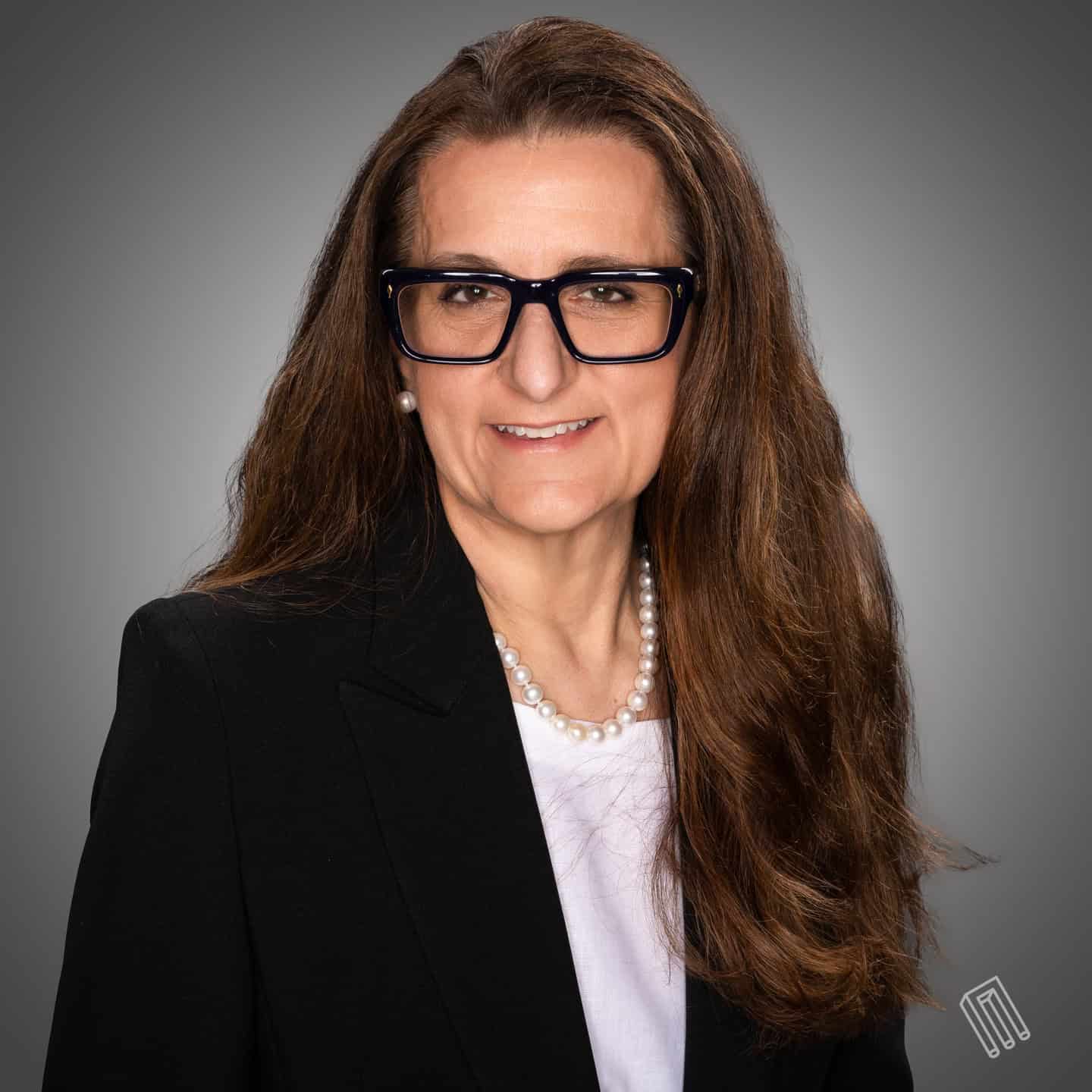
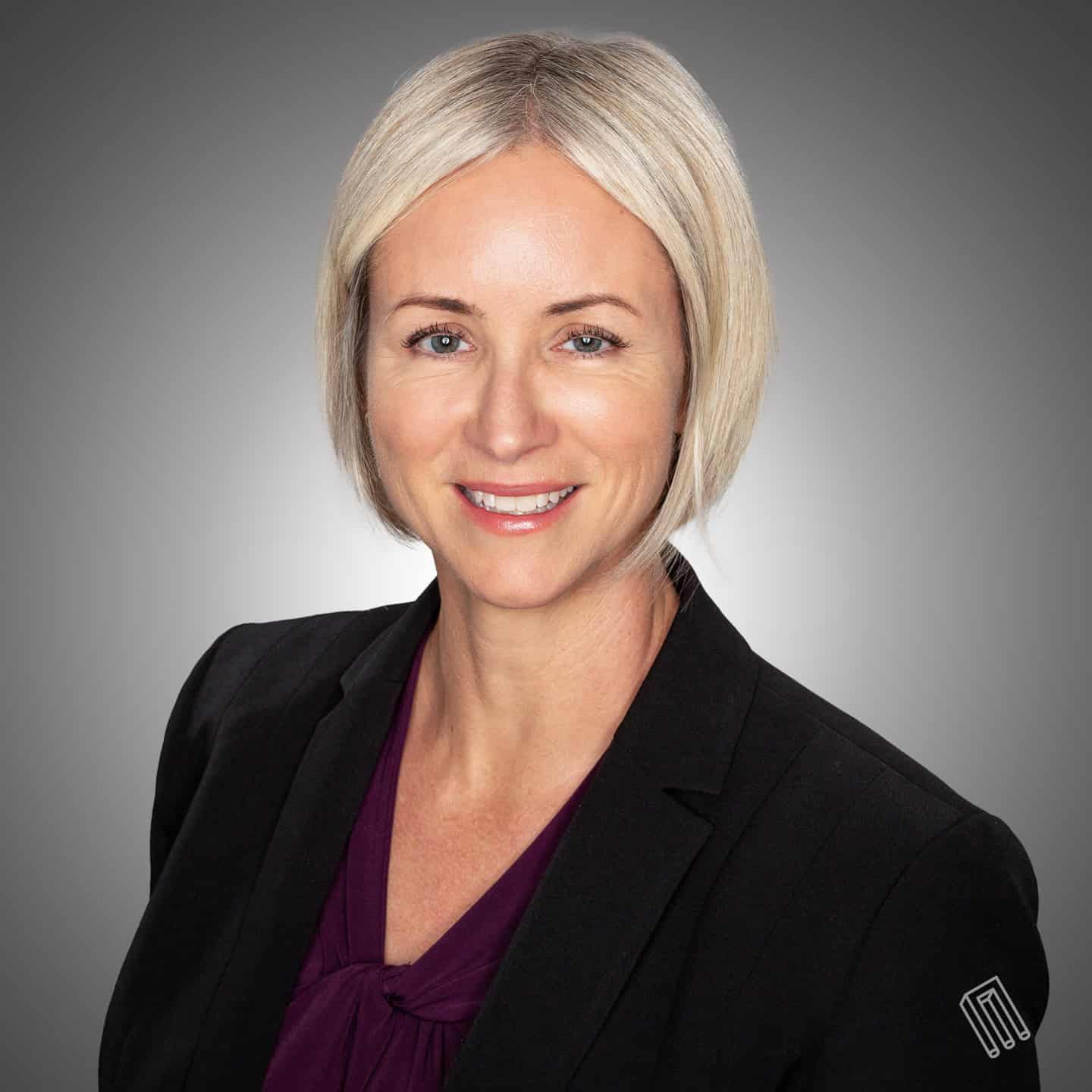
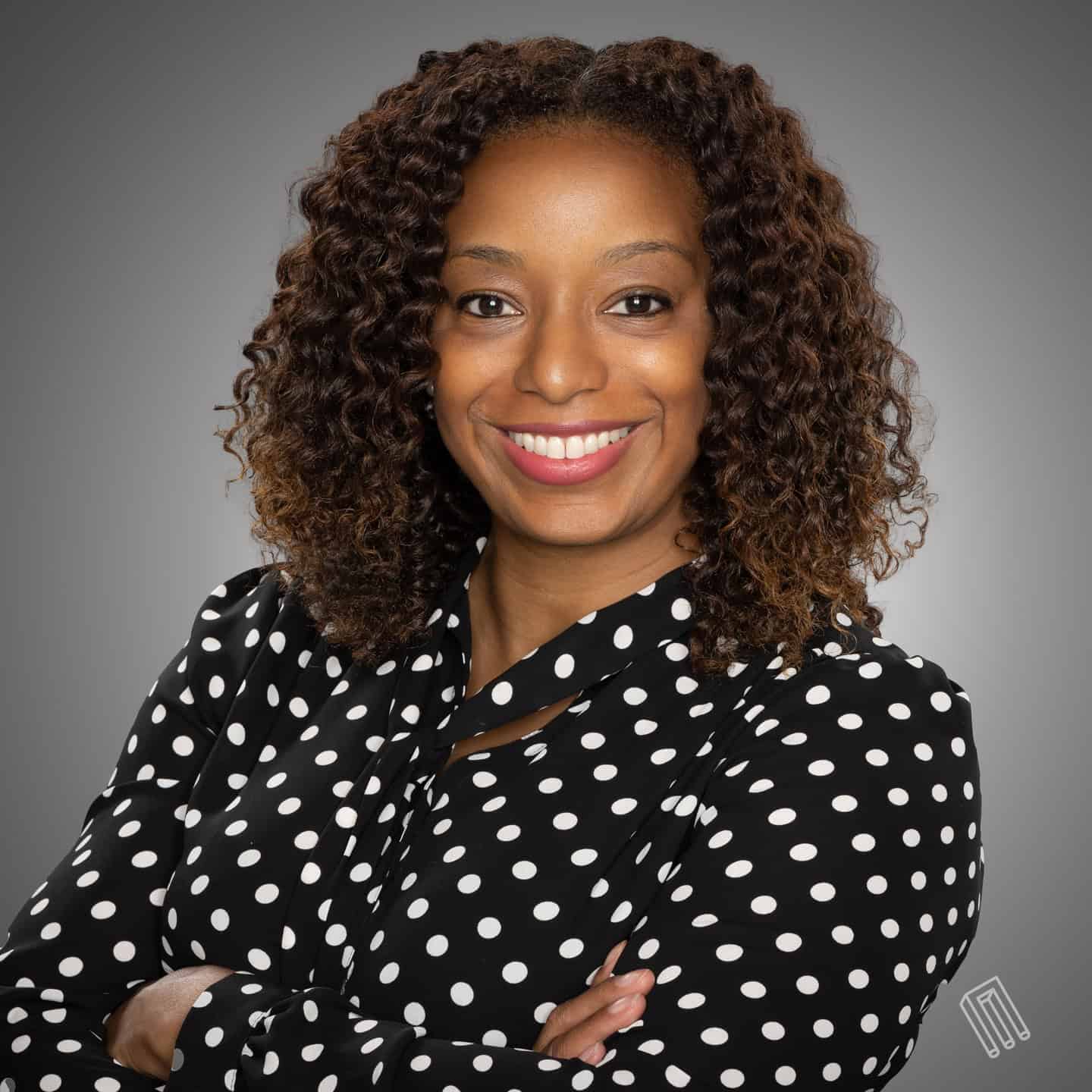
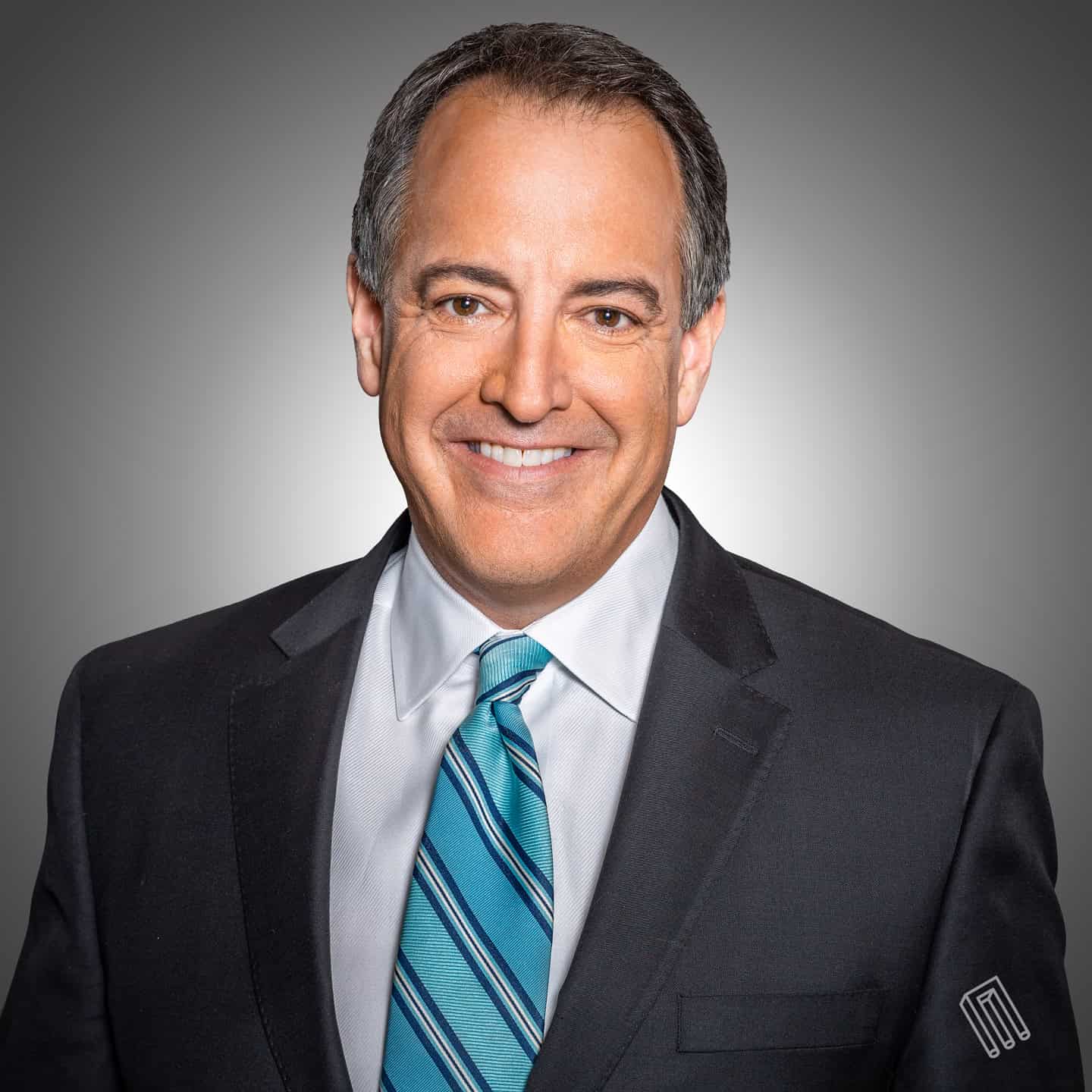
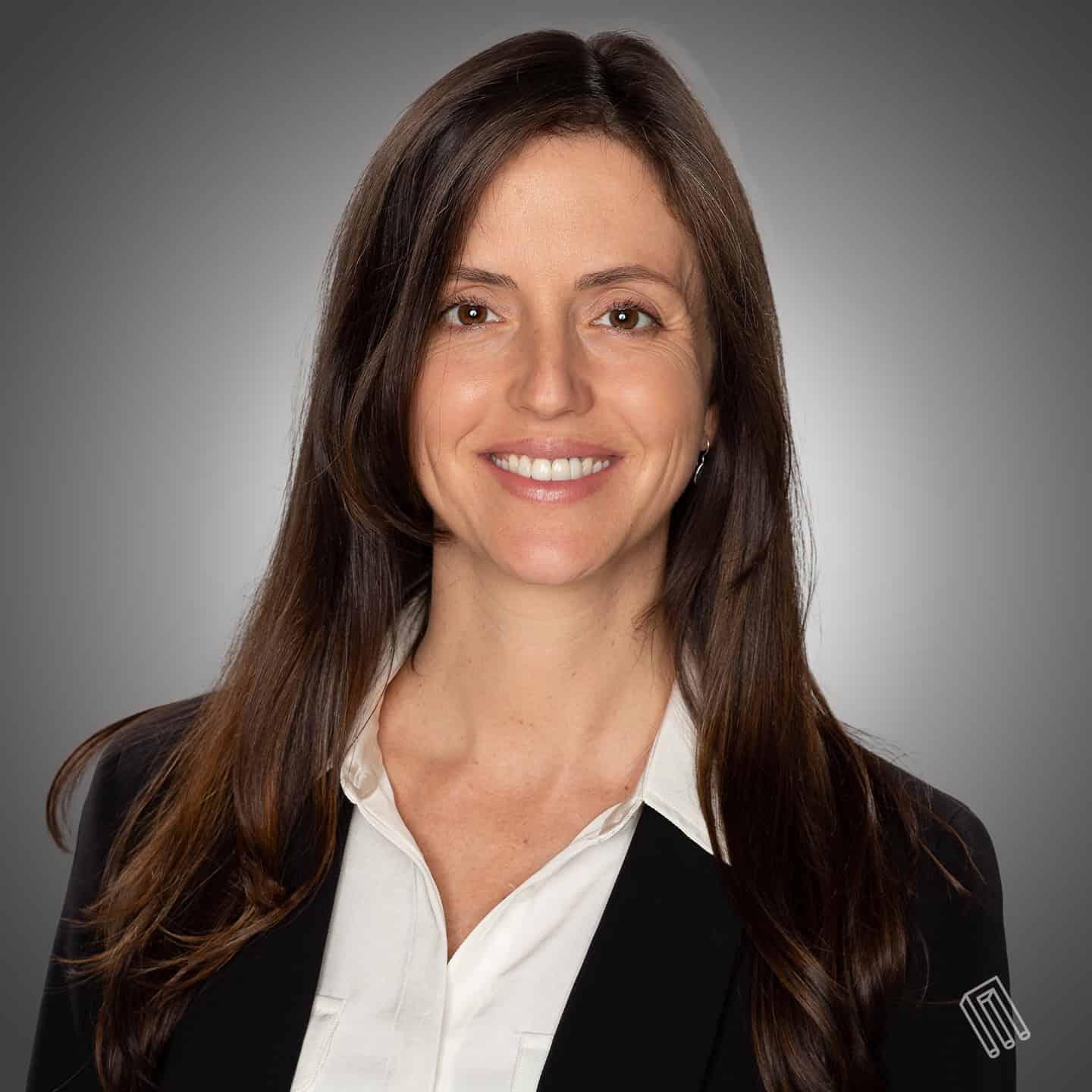
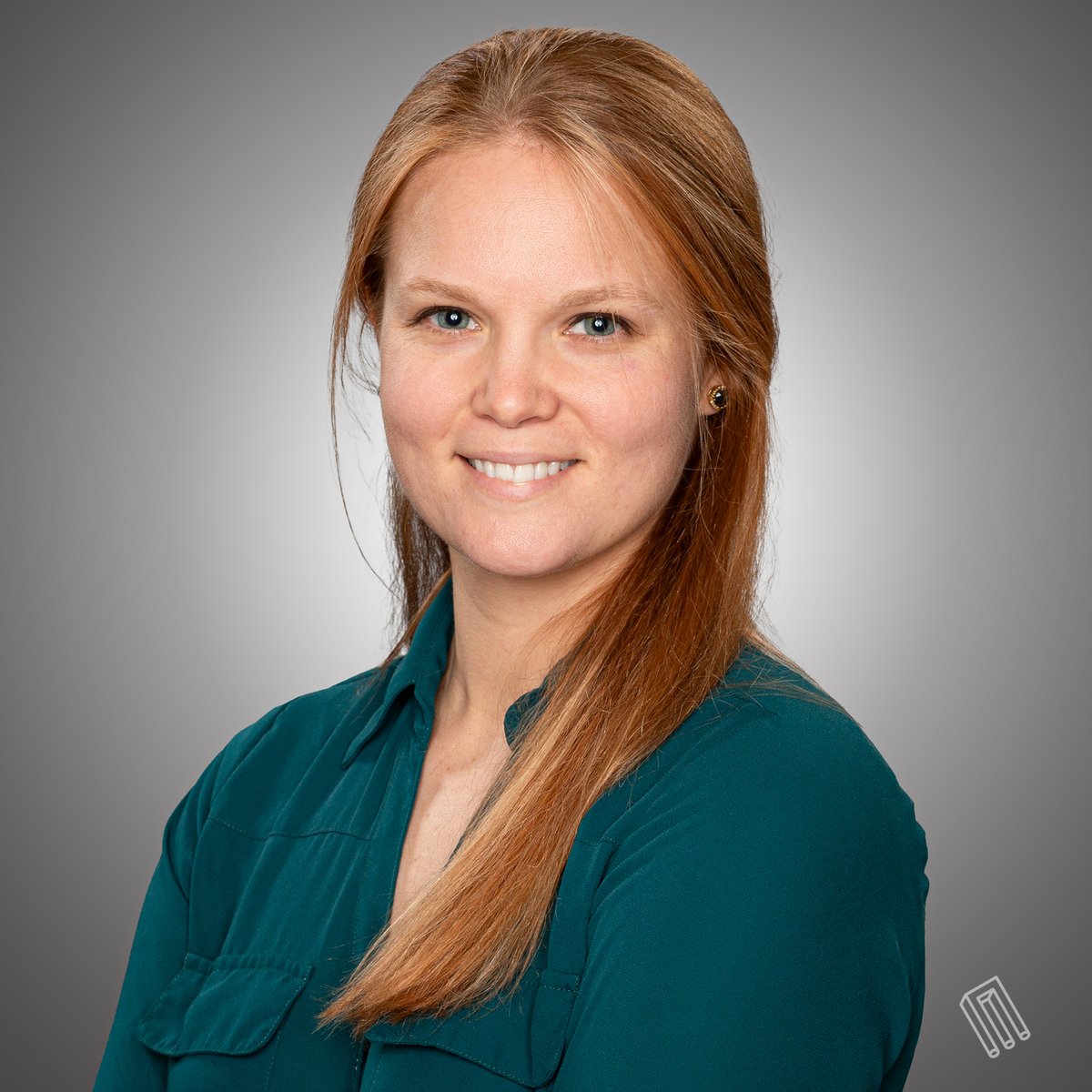
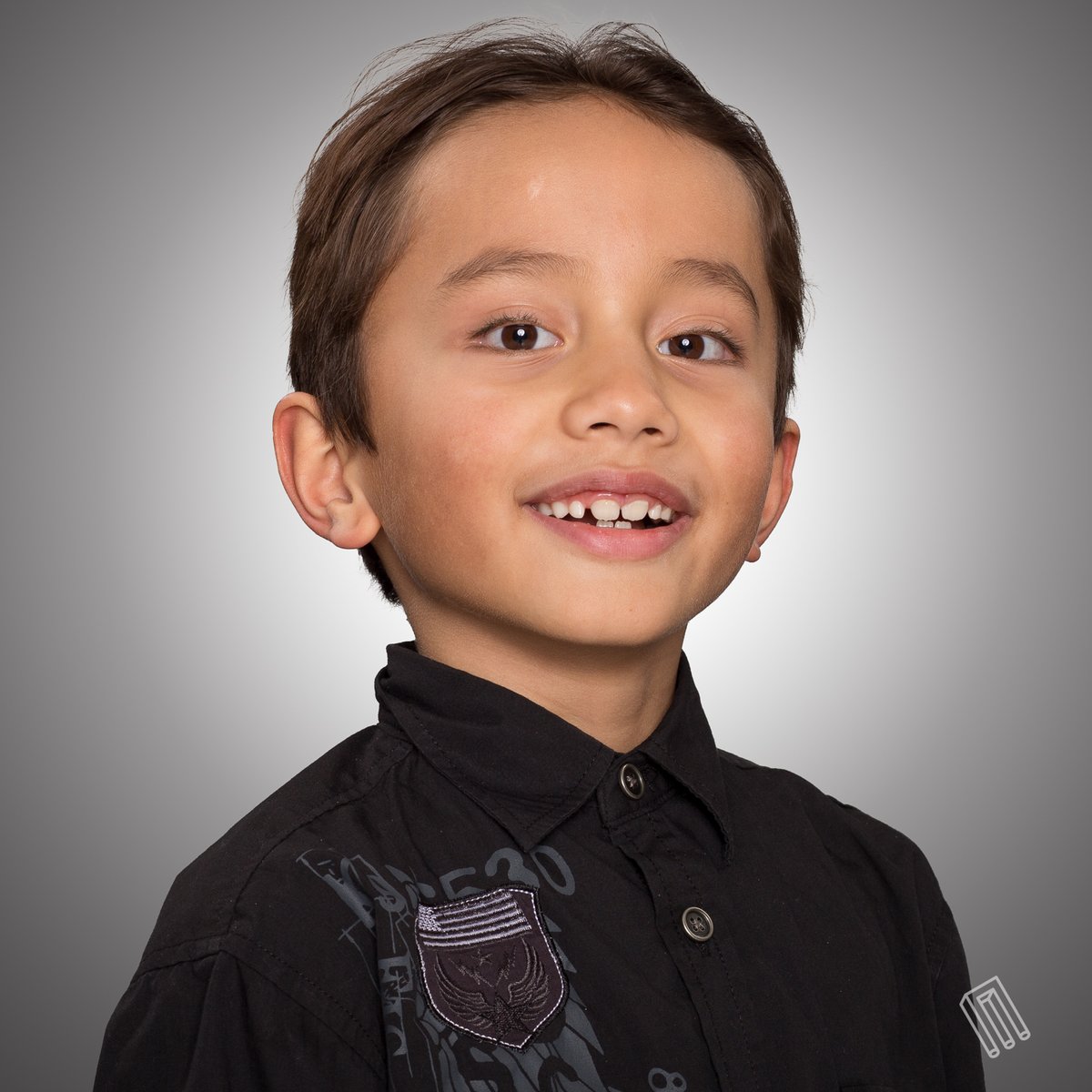
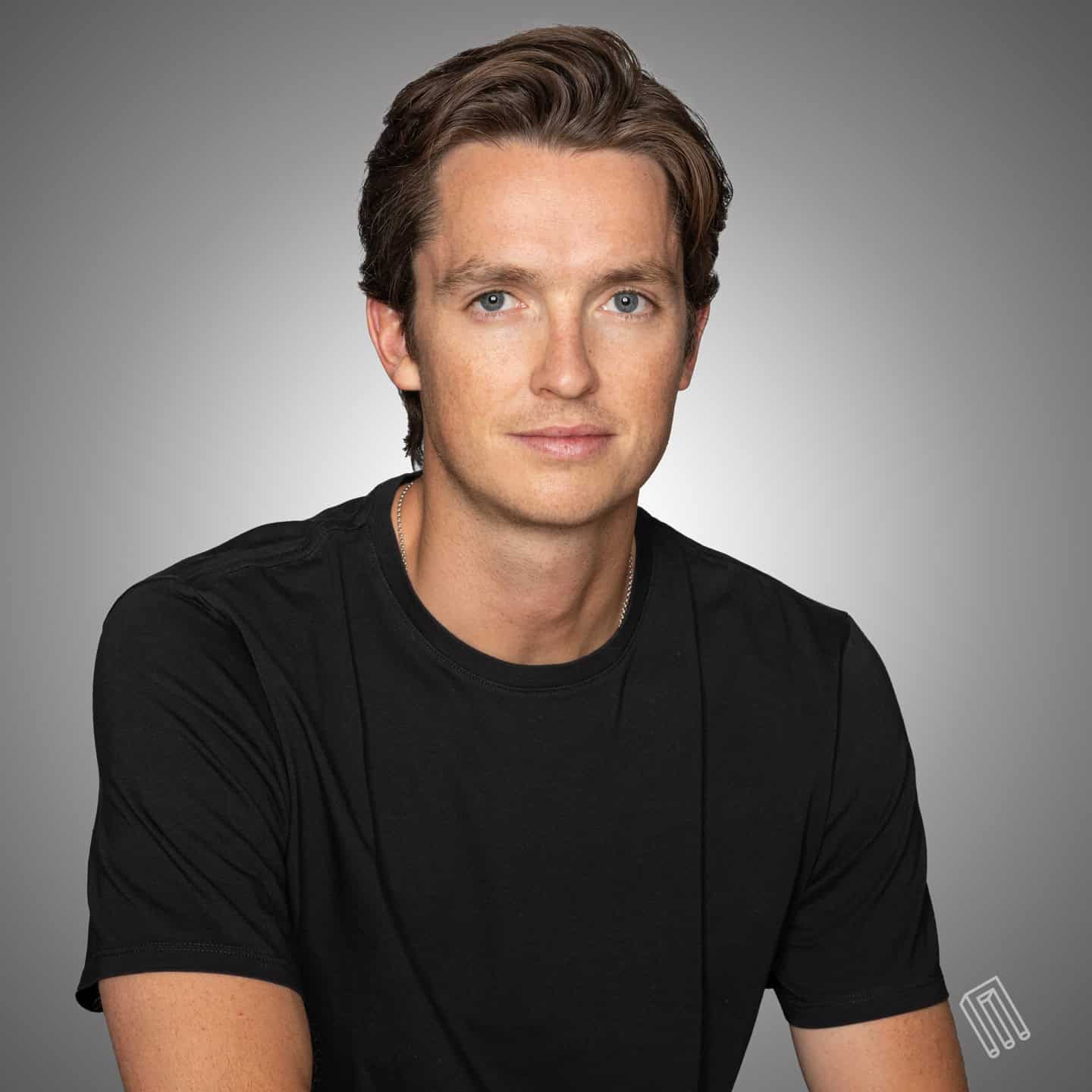
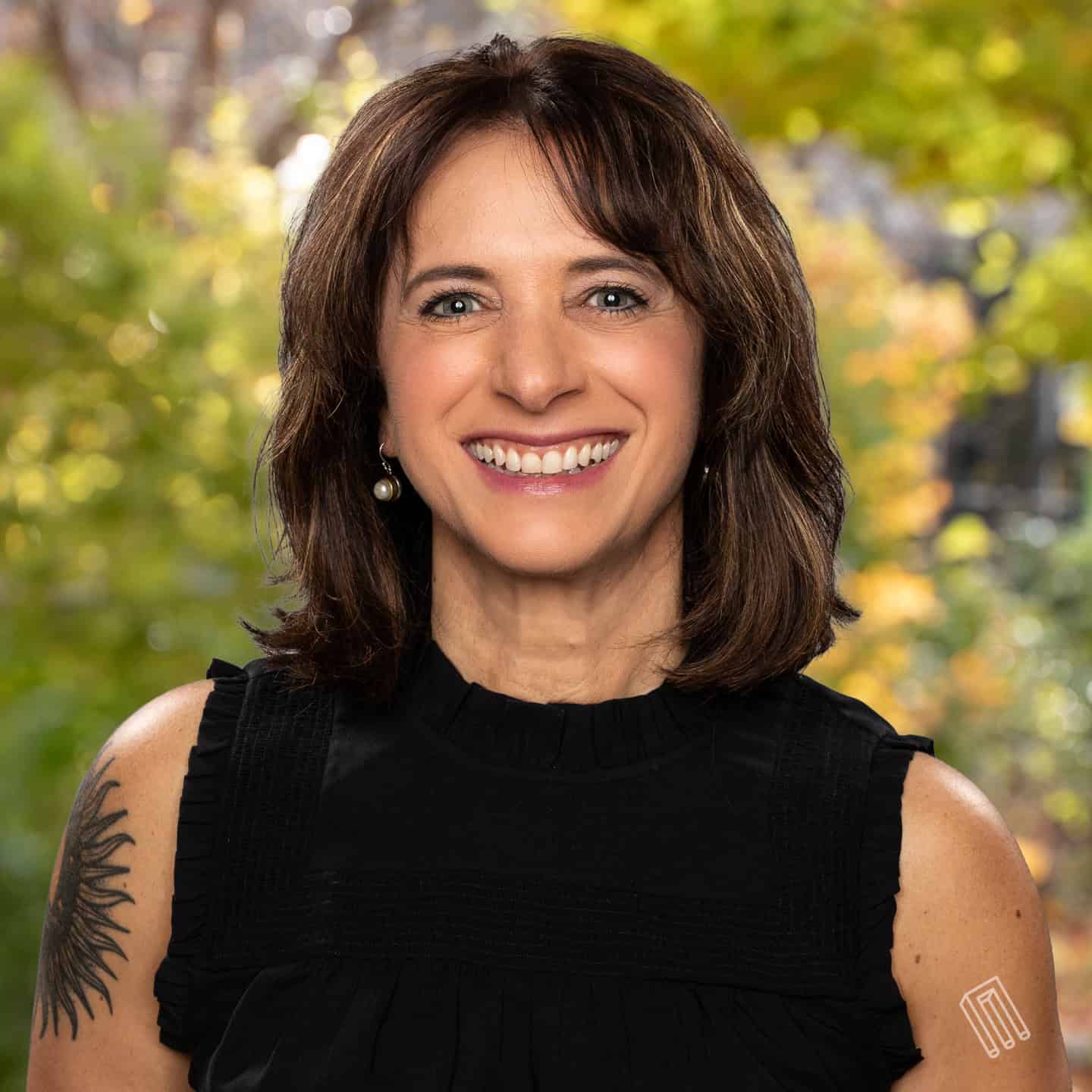
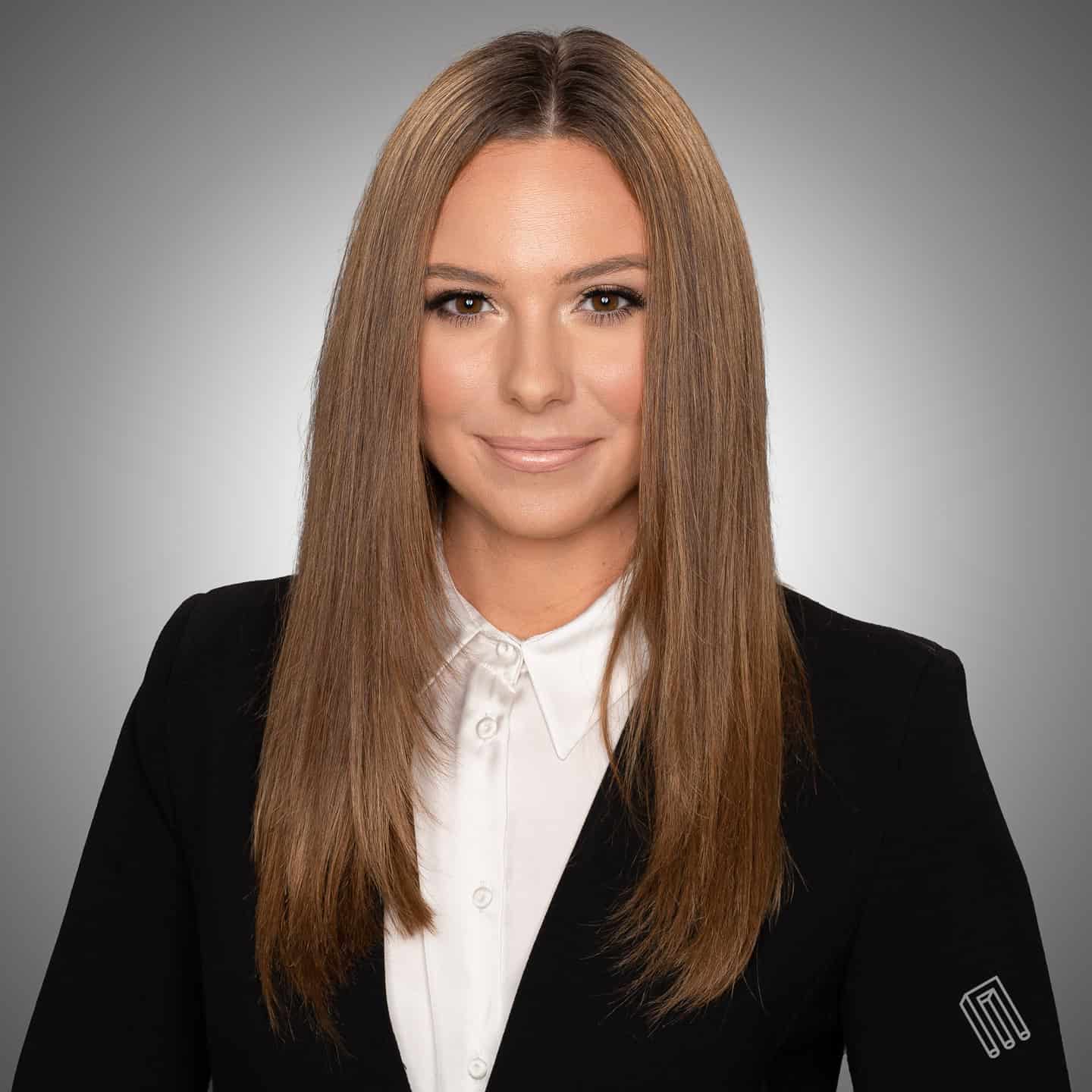
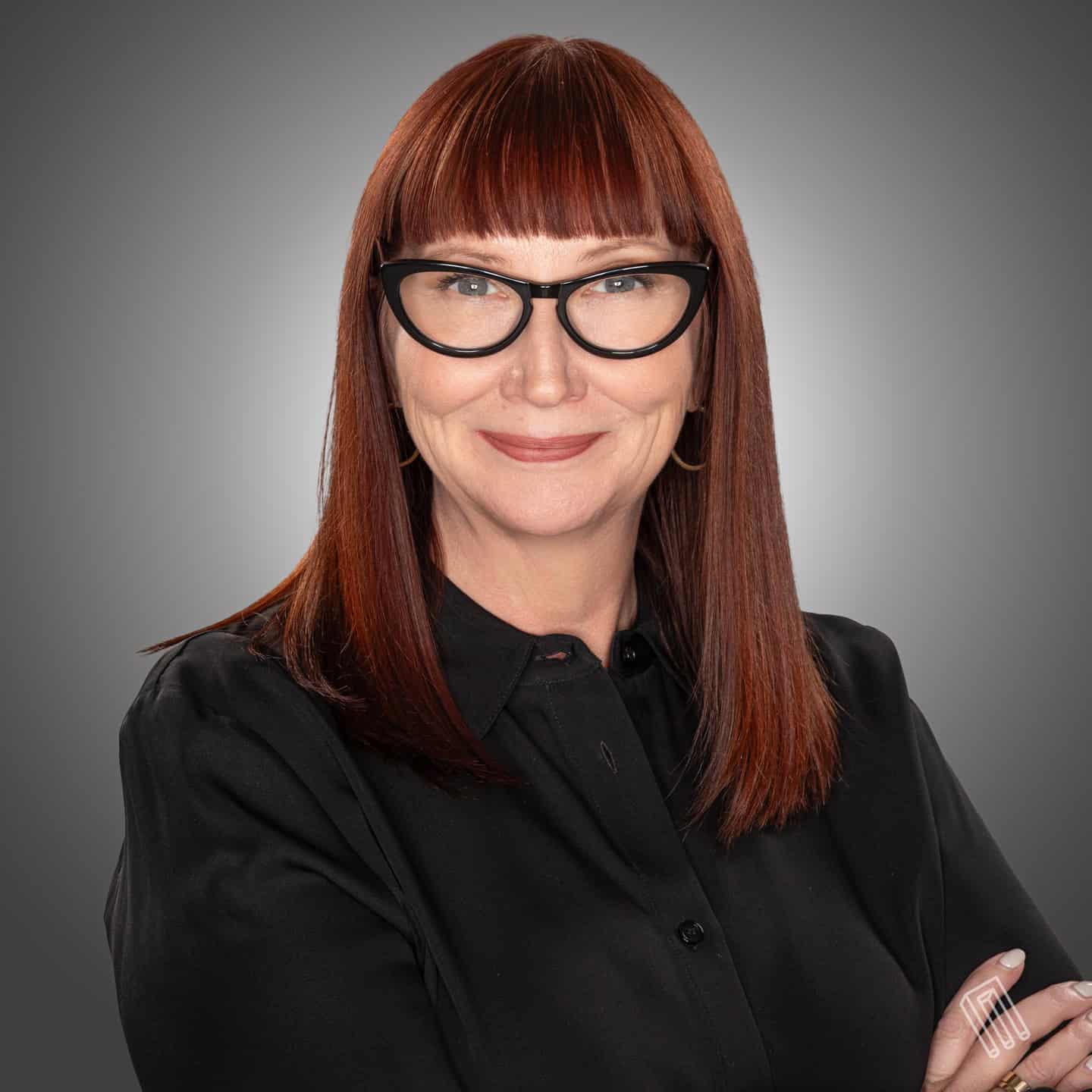
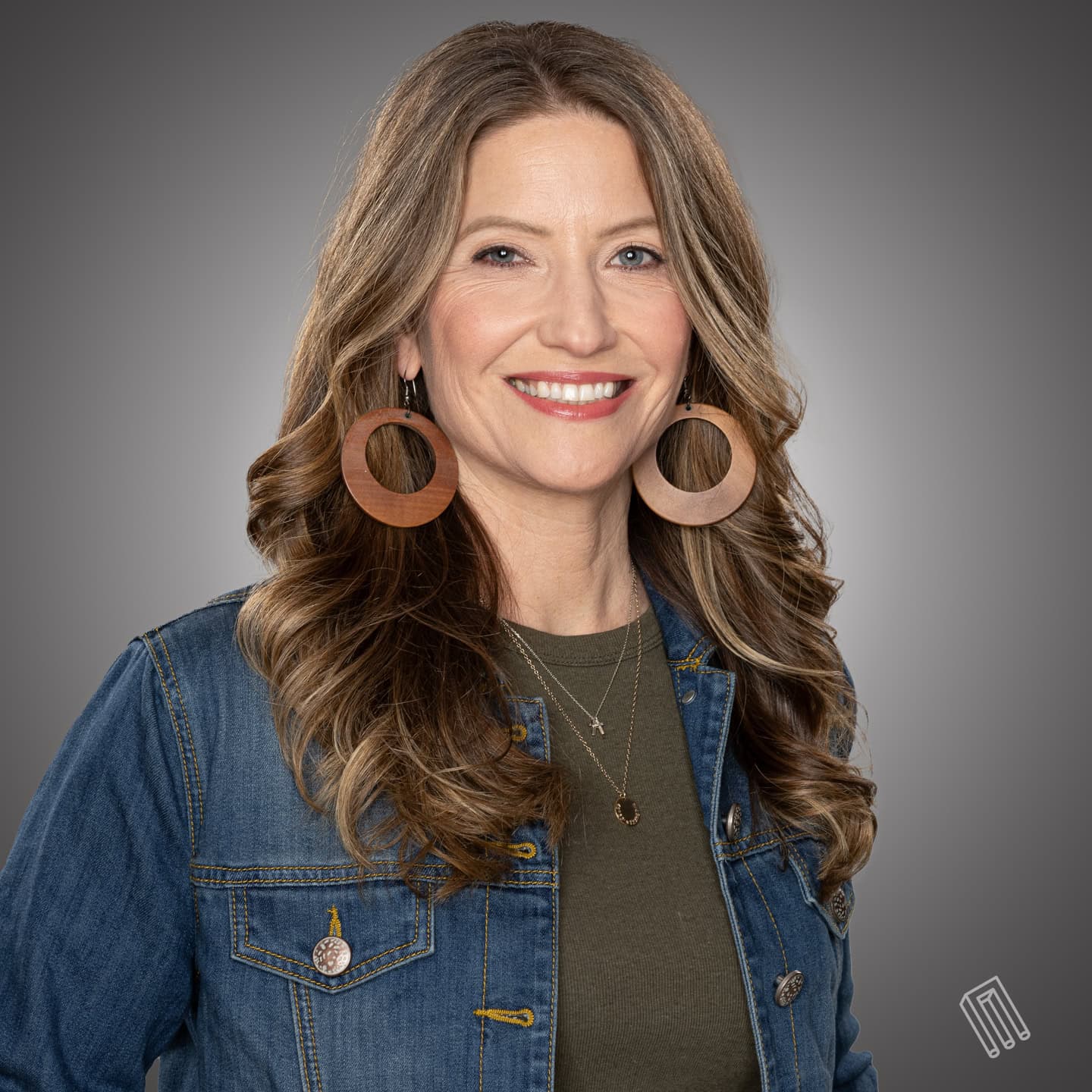
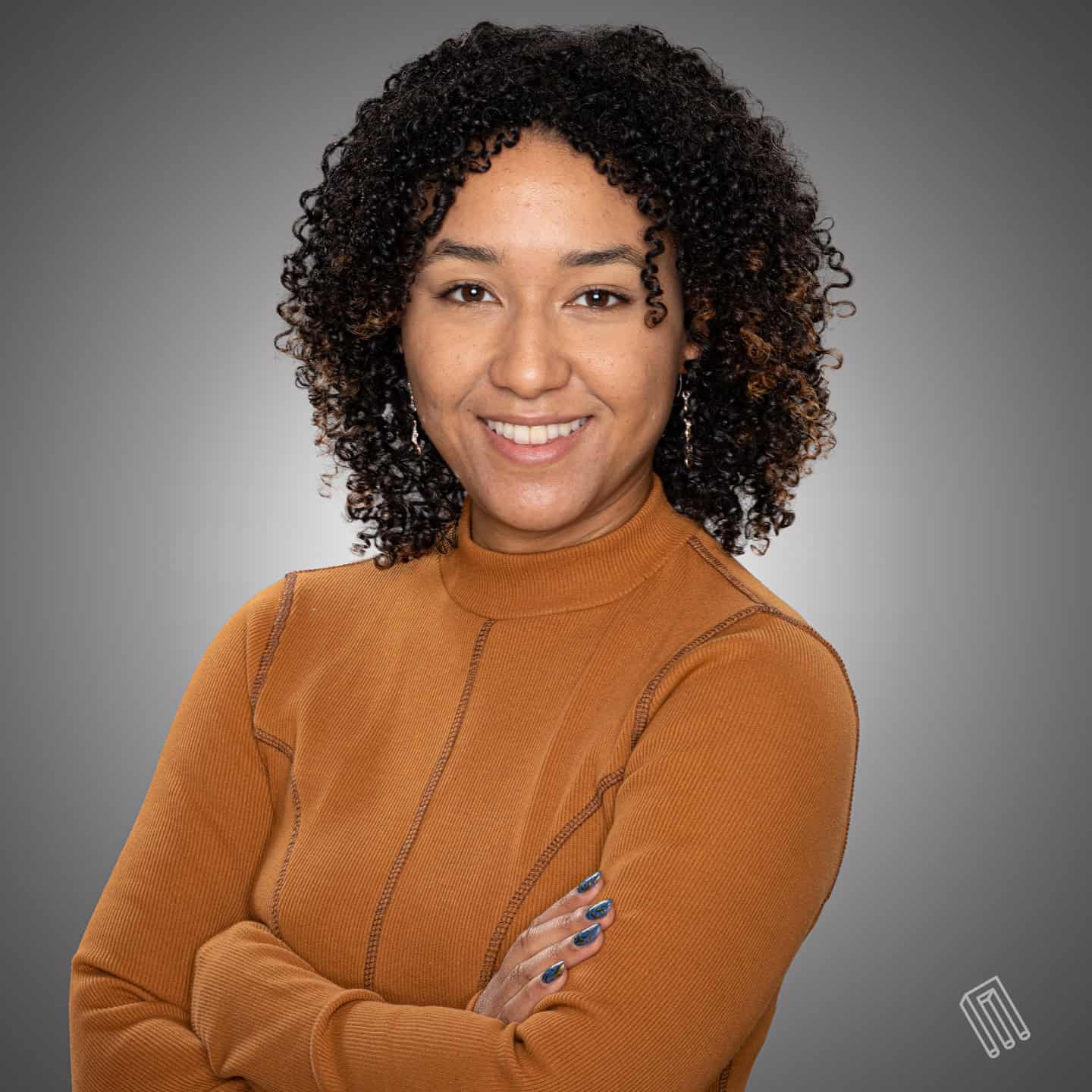
A casting submission needs something different than a firm bio page, which needs something different than a LinkedIn profile or a book jacket. Theatrical, corporate, executive, commercial: the right headshot depends entirely on where the photo actually has to work. Ben Reed shoots all of it, in the studio at 2127 N Albina Ave (or at your own location) and matched to the job the photo is actually for.
Have questions?
Get In Touch







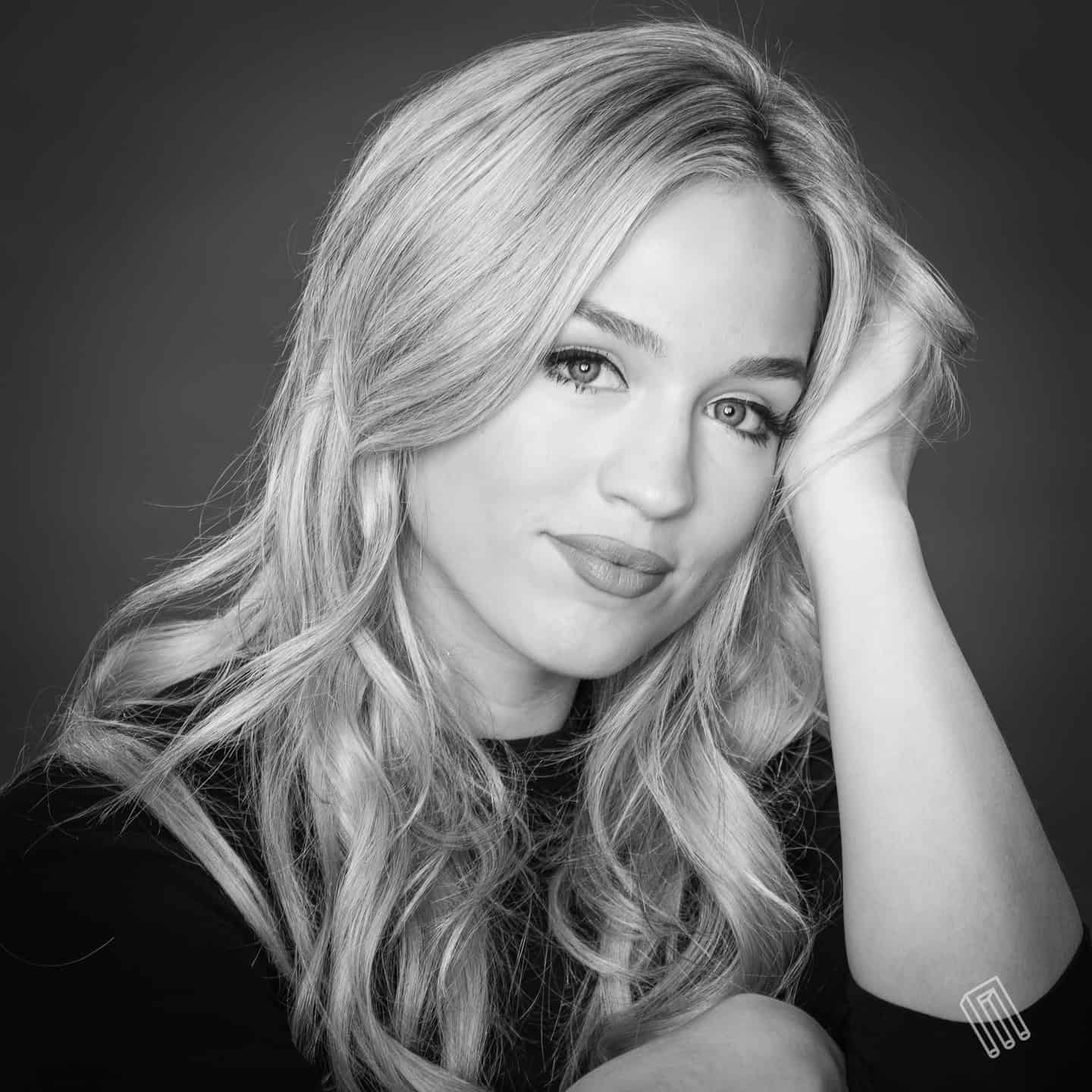

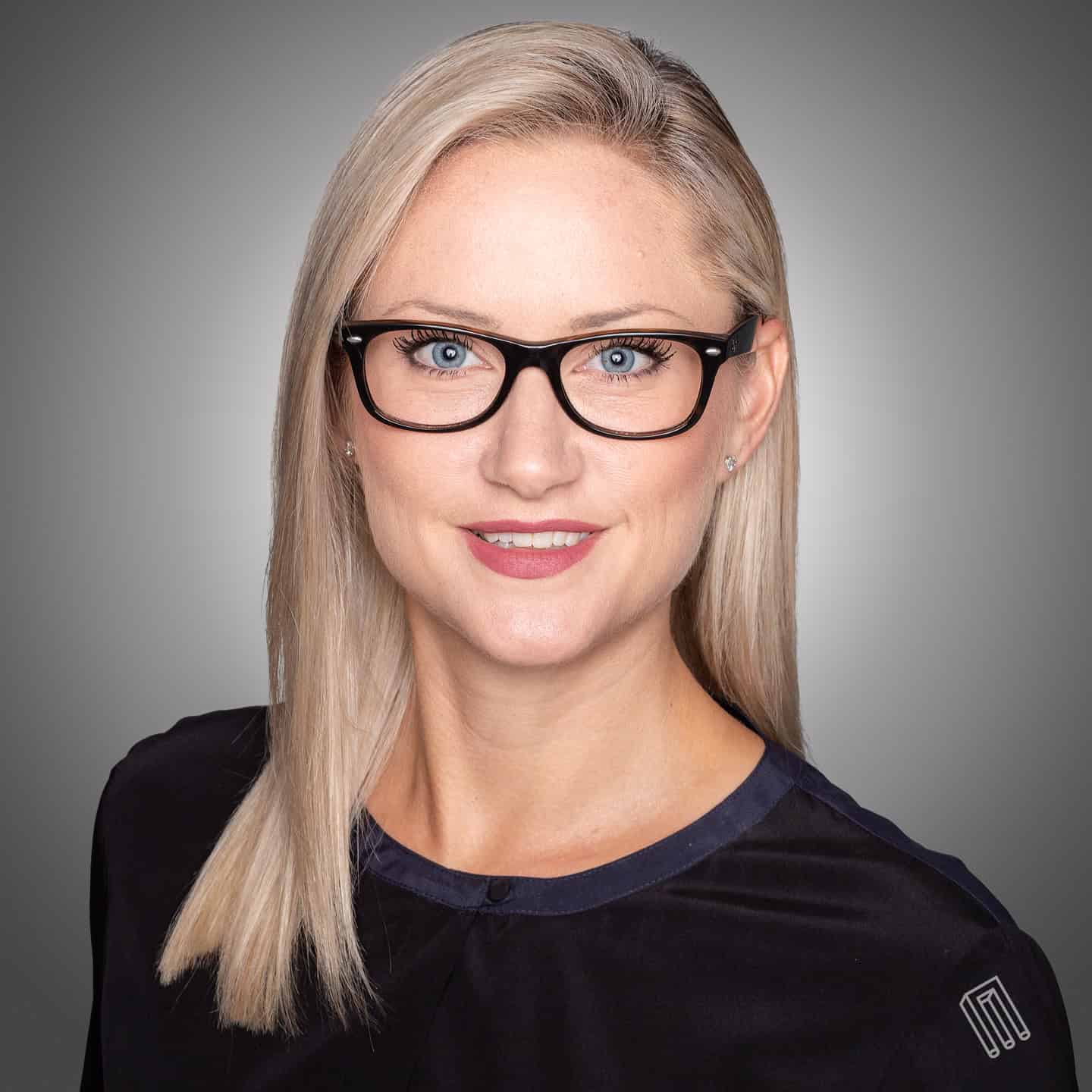
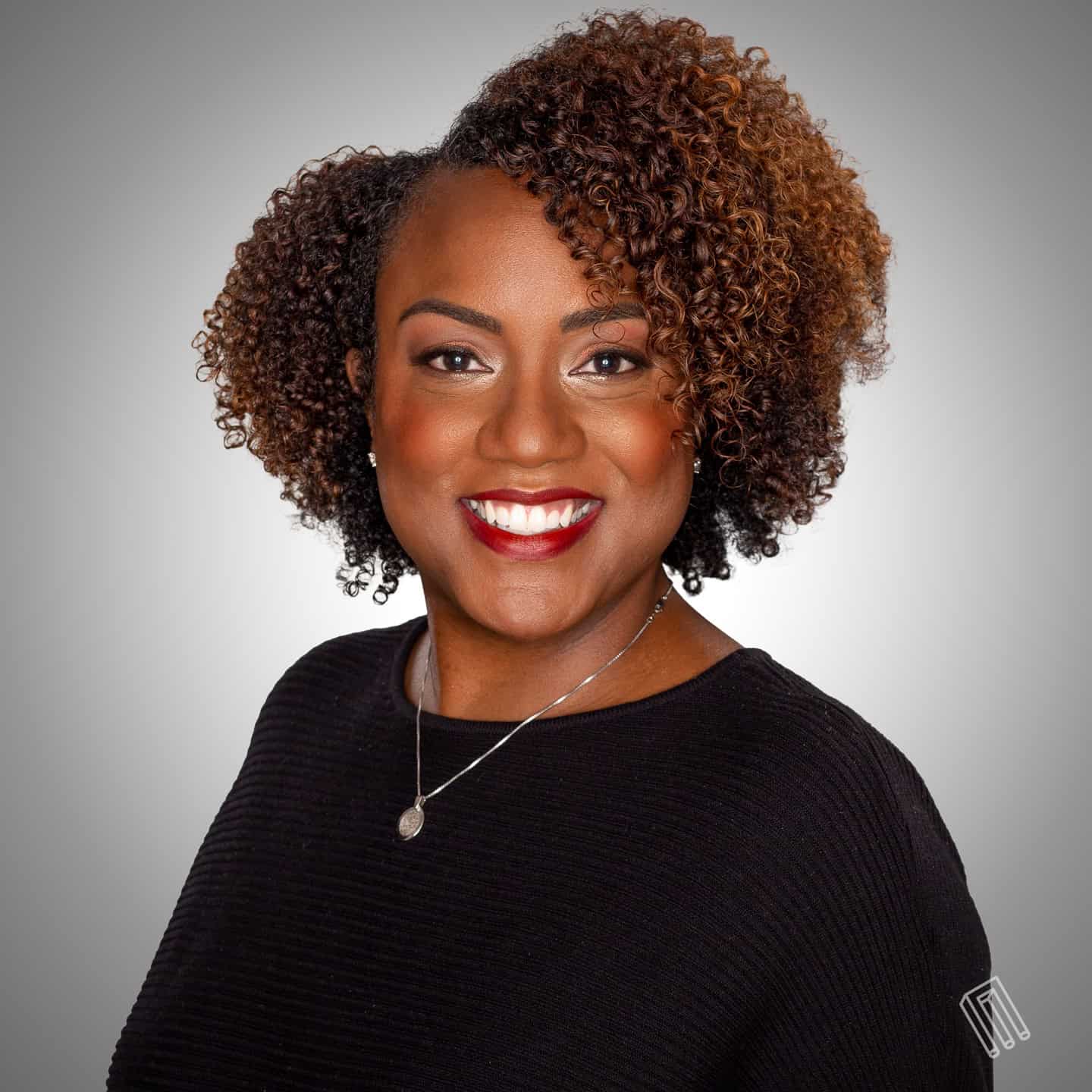

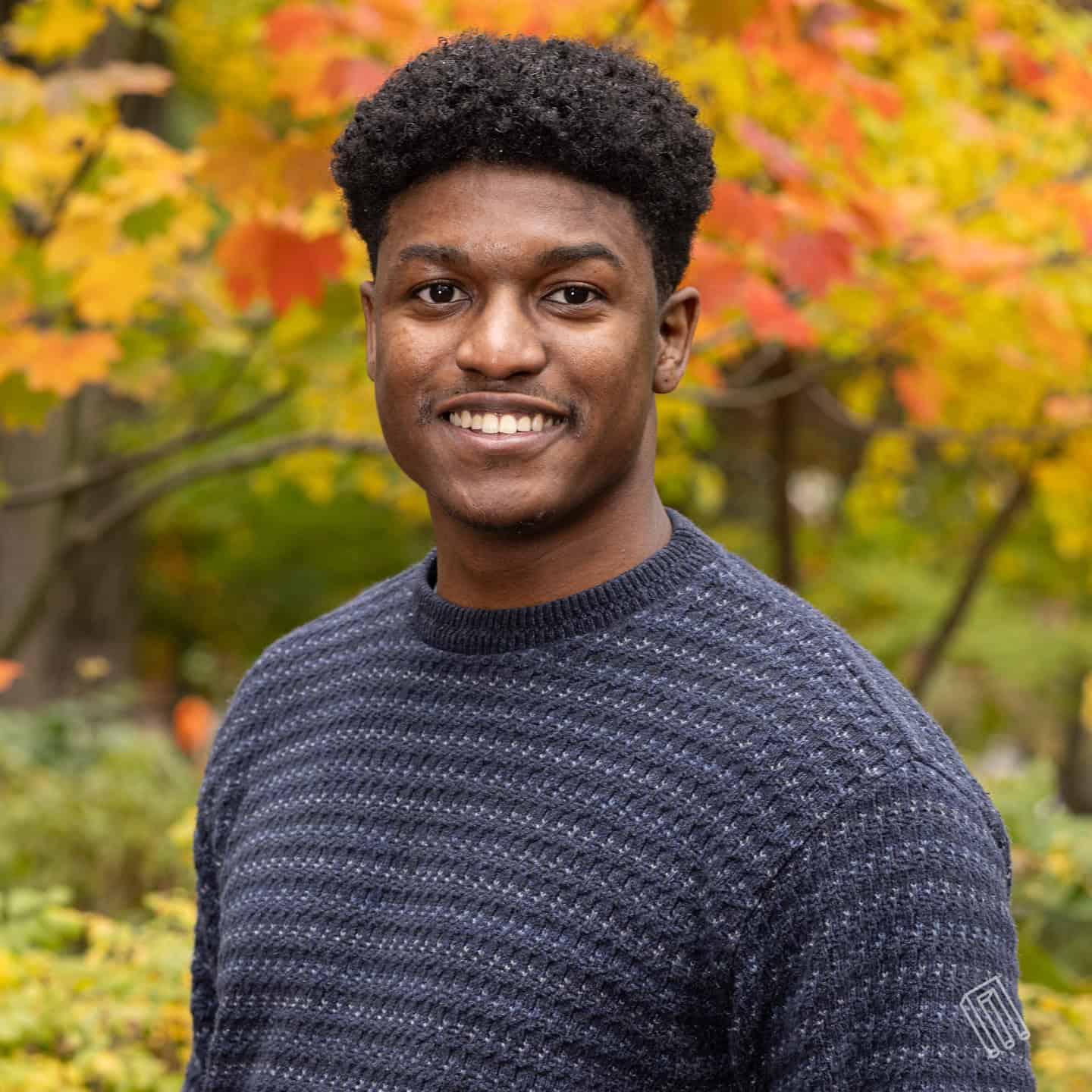


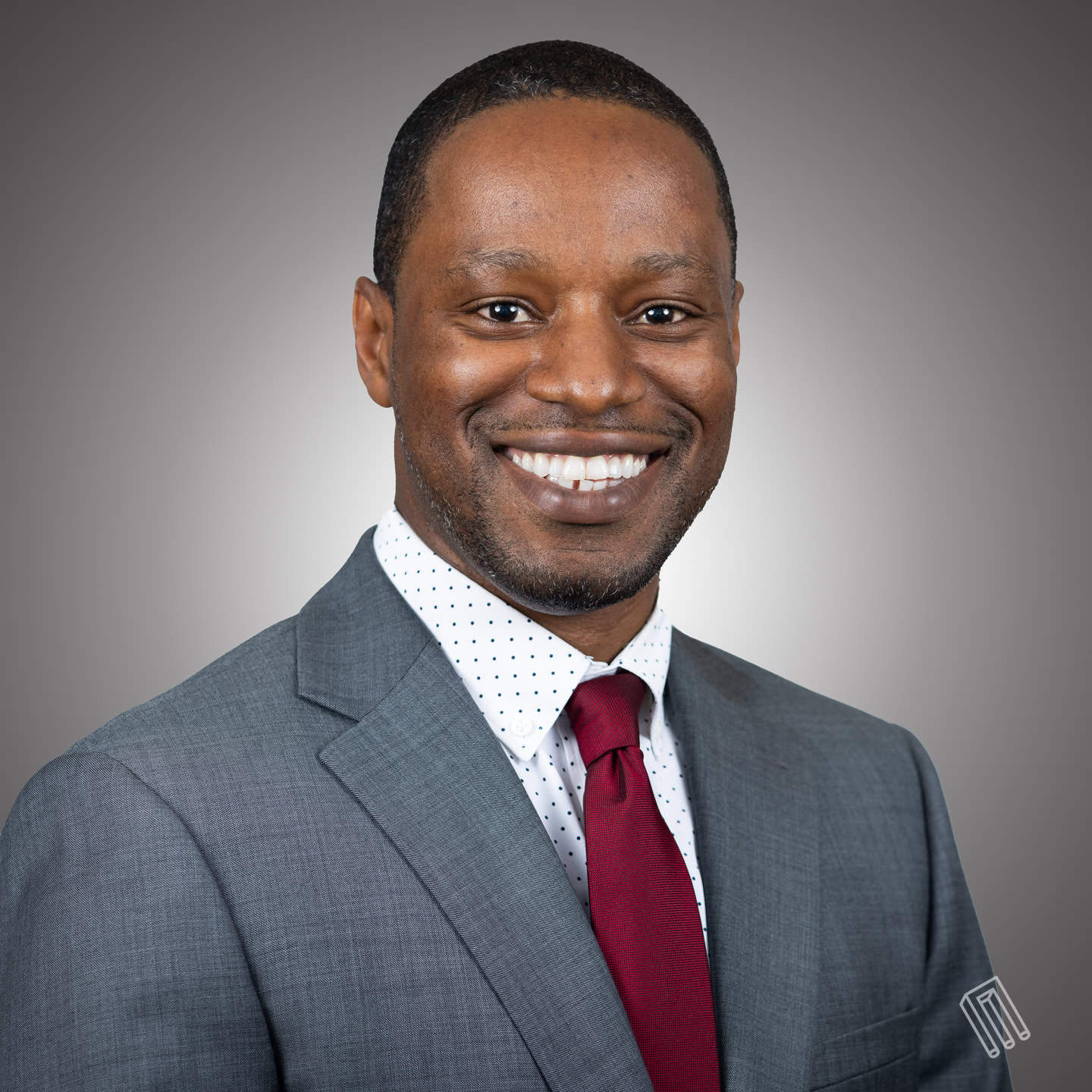

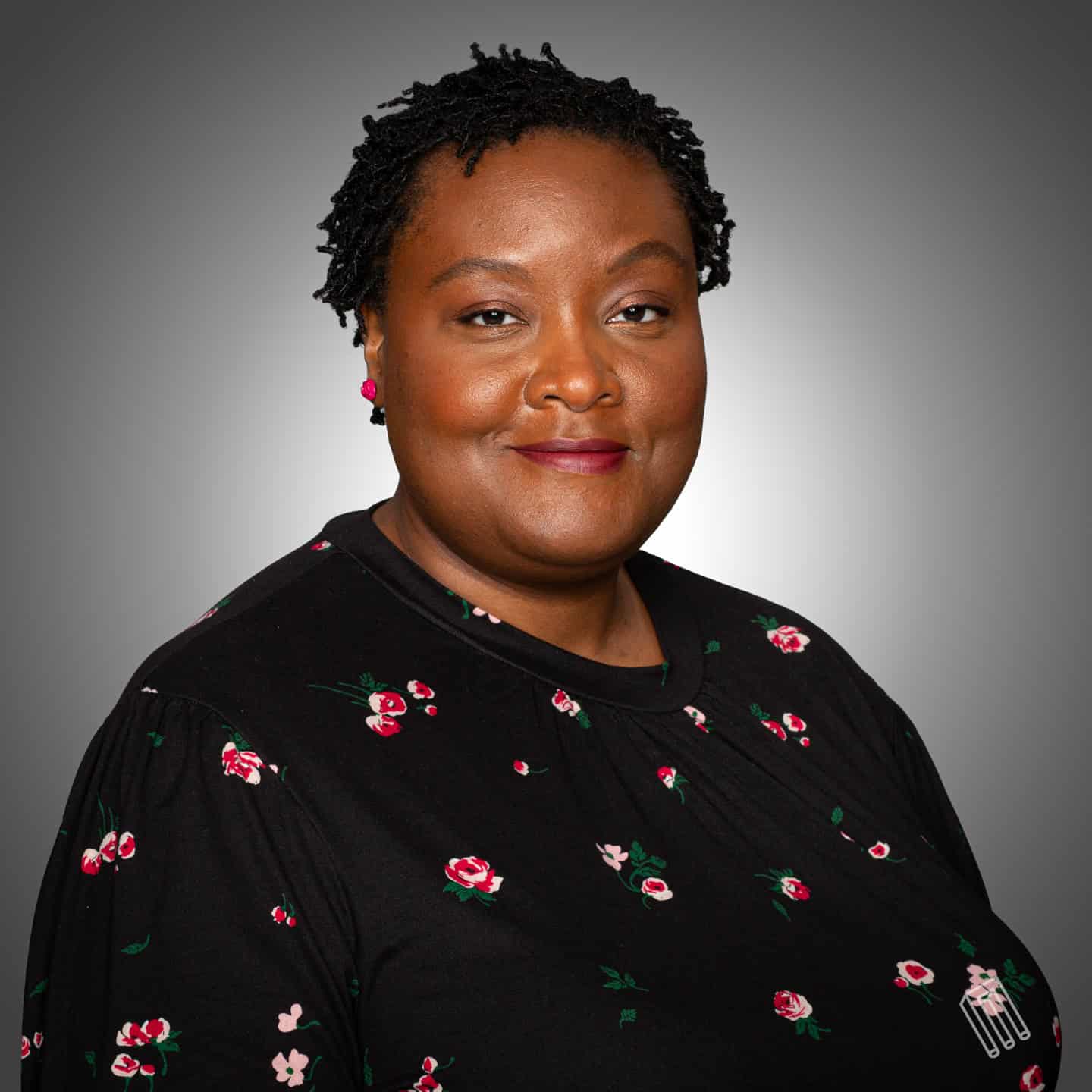


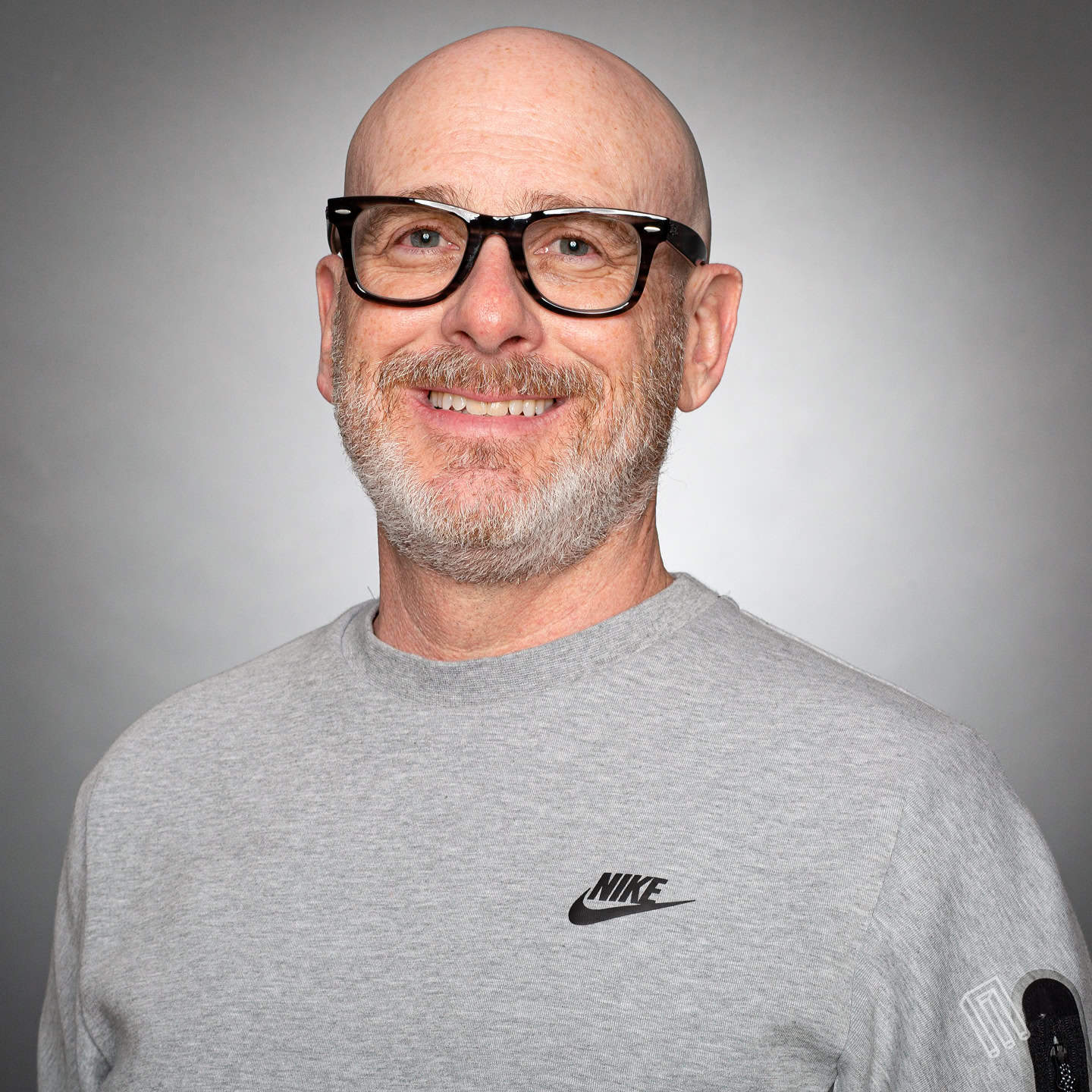


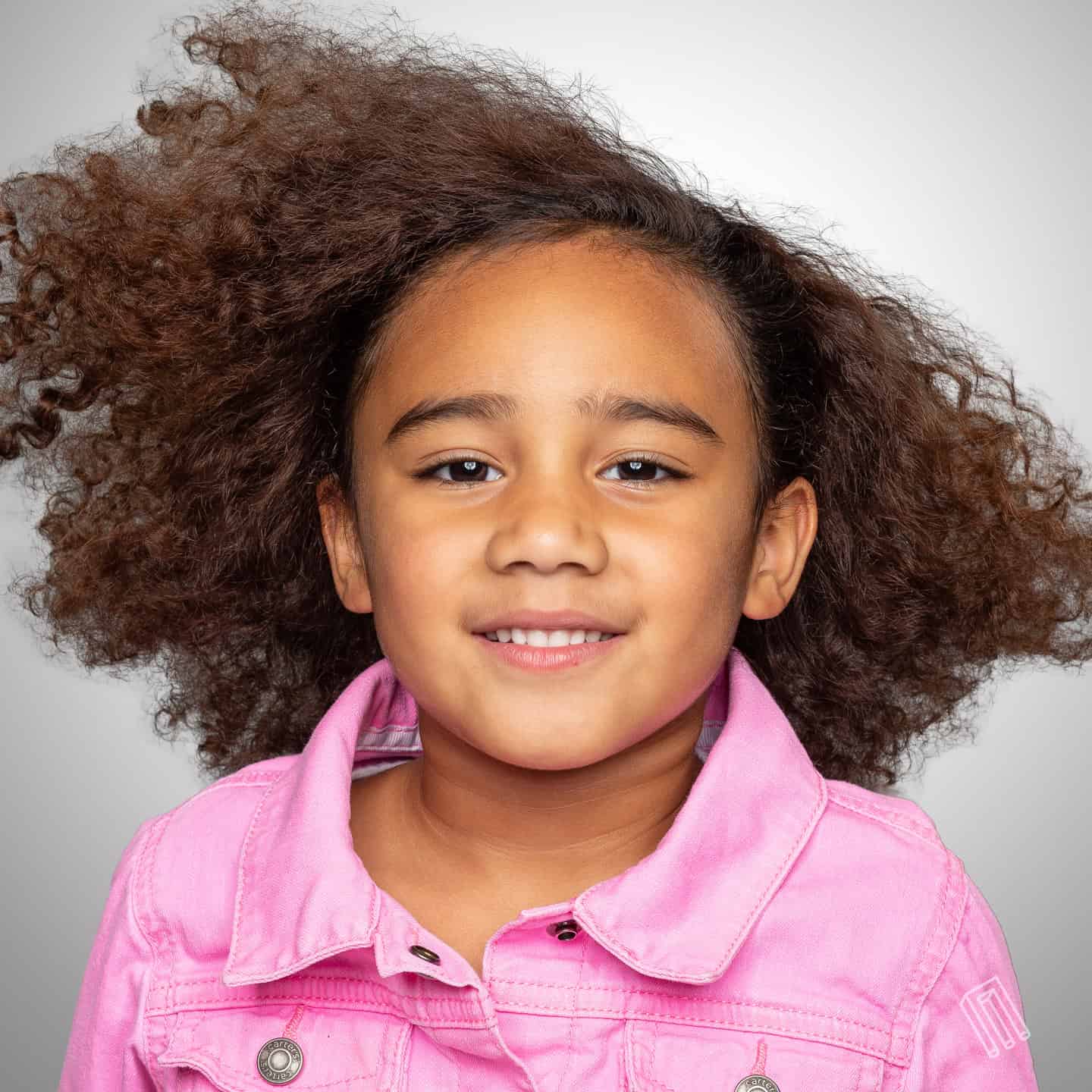
Find Your Session
Who is this photo for? Find your situation below and see which one is yours.
For Performers
For Career & Business
For Medical Applications
Groups & Everyday
Why Your Headshot Still Does the Talking
A photo can’t shake your hand or finish your sentence, but it’s often the first thing that decides whether someone wants to.
Princeton researchers found that people size up a stranger’s face and decide how trustworthy, competent, and likeable they seem in about a tenth of a second, and giving them more time to look doesn’t change their mind much. LinkedIn’s own numbers back that up: profiles with a photo get up to 21x more views and 9x more connection requests than the ones without.
The better the photo, the more benefit of the doubt you get before you’ve said a word. And that effect hasn’t faded with time, either. A decade ago the headshot conversation was mostly about LinkedIn profiles. Now the same photo shows up on a company bio page, a speaker profile, a podcast thumbnail, a Google search result, an author page… that representation of you is doing a lot of quiet work in a lot of places you don’t control.
What Separates a Good Headshot From One That Works Against You
So what actually makes a headshot that helps from one that works against you?
Ben suggests that you don’t bluff your emotions by posing your expression; try to imagine you’re on a vacation with your partner or best friend, and then let your face catch up to your imagination. And try to use simple, uncluttered backgrounds in order to keep viewers’ attention on you (instead of competing with your background).
Selfies, group-photo crops, and repurposed candid shots from ten years ago read more as afterthoughts rather than a considered decision; someone else’s stray shoulder/elbow cut off in frame tells people that your photo wasn’t really meant to be used in this context, which can potentially give an impression of indifference, irresolution, or apathy.
Face the camera, meet the lens, and let a real smile happen instead of holding one against its will.
Photo quality matters more than people expect, too. An analysis of over 60,000 headshot ratings found that lighting, focus, and framing affect how competent someone looks more than their actual face does, which is part of why a real shoot (one with room to adjust and try out a few variables) tends to beat a single stiff attempt.
Simply put: a headshot is your visual representation. It’s a decision about how you want to be met before anyone’s met you, and it’s a decision worth getting right. It’s also worth having someone behind the camera who treats it that way, too.
Are AI Headshots Good Enough?
They Do Get Pretty Close
AI headshot generators have gotten genuinely good. Upload a dozen selfies, wait an hour, and the tool hands back a polished, well-lit, professional-looking photo for less than the cost of a nice dinner.
That part isn’t up for debate anymore. The better question is whether that photo lets someone recognize you when they actually meet you.
In a poll of 1,600 people, 38 percent described AI-generated headshots as “soulless.” Even Secta, the tool most reviewers rank as the best of the bunch, gets the same reaction from the people who actually look at the results: “your television news anchor doppelganger.”
Close enough to recognize, but it doesn’t feel like you.
The Problem With “Close Enough”
There’s a harder problem sitting underneath that uncanny-valley feeling. AI models trained on skewed data have a documented habit of lightening skin tones and smoothing features toward a narrower standard of “professional.” An MIT student asked an AI tool to make her photo look more professional and got back lighter skin and blue eyes. That’s the model doing exactly what its training data taught it to do.
A real photographer coaching real light on a real face doesn’t have anything to correct toward, because there’s nothing being averaged out.
People size up a face in a tenth of a second, and that snap judgment holds whether the face is real or generated. What breaks is the second impression, the one that happens on the video call or in the meeting, when the face across the table doesn’t quite match the one that got someone the callback in the first place.
If a photo is going to see real visibility, a bio page, a directory, a first look before anyone’s spoken to you, that gap is worth closing.
AI gets close. A professional headshot actually gets you.
Start With the Look
Already know the look you’re after? Style, lighting, backdrop, and coaching level, broken down below, for anyone who’d rather start from the visual result than from a job title.
Theatrical Headshots
Dramatic lighting, confident poses, and a real, unguarded moment or two, enough to stand out in a casting director’s stack without breaking from industry standard.
Corporate Headshots
Smooth, even lighting and a coached, confident pose, so the photo actually looks like the person walking into the room instead of a stiff corporate cutout. Booking for a whole office or department works differently. See headshots for teams.
Executive Headshots
More direct than corporate. Symmetrical lighting, a pose that comes naturally by this point, and a neutral grey backdrop that keeps the focus on you. Coaching stays minimal, since most people already know their look.
Commercial Headshots
Here you’re the visual asset. Shot high-key on a white or light grey backdrop, with lighting anywhere from high-contrast to flat and even, depending on what the shot needs to sell. Close-ups and props add versatility when the audience calls for it. Casual, intentional poses tend to perform best.
Branding Imagery
Headshots are the foundation. Branding imagery builds on that with creative visuals that say something about your brand beyond the portrait itself.
Custom Stock Photography
Why Custom Stock Photos Beat Generic Stock Photos
Stock photos rarely build trust. People can spot a staged moment even when they can’t say why, and a search for “attorney meeting” or “financial advisor with client” turns up a wall of interchangeable actors in interchangeable conference rooms, nothing that looks like the people a visitor is about to call.
The numbers back it up. Only about one in five stock photos read as authentic, and most consumers say authenticity is a deciding factor in which brands they trust. Real employee photos convert measurably better than stock, by more than a third in some studies. In legal and financial services specifically, professionally photographed staff are perceived as more credible than stock or amateur images, and a majority of prospective clients name that image as a factor in who they call.
Custom stock photography stages real, recognizable moments, like a counselor listening across a desk, a loan officer walking a client through paperwork, or a partner reviewing a case file with an associate. Ben shoots these sessions the same way he shoots headshots and team sessions, but with real staff standing in for real client interactions. Instead of drawing from a stock library everyone else is also using, the images you end up with actually look like you and your team: